🇻🇳 VIETNAM 🇻🇳

Discover the Ascending Dragon: a land where timeless traditions meet vibrant modernity, from the limestone karsts of the North to the tropical rhythm of the Mekong Delta.

1 city
4 tours
0 reviews

Choose Your City

Vietnam - explore the diverse cities and regions, each offering unique experiences and unforgettable adventures

Popular Tours

Vietnam - most popular tours and experiences

Useful info by Sabai Travel

Useful information to plan your trip with confidence.

Climate and seasons

Vietnam has three distinct climate zones. The North (Hanoi/Sapa) has a cold winter (Dec–Feb) and hot summer. The Central coast (Danang/Hoi An) has a dry season from January to August but suffers from typhoons in October–November. The South (Saigon) is hot year-round with a rainy season from May to October. The best overall time to visit the whole country is March and April.

Visa and entry rules

Vietnam now has one of the most open policies in Asia. Citizens of key countries (Western Europe, UK, Japan, Korea) get 45 days visa-free. For everyone else (and for stays up to 90 days), an E-visa is available online for all nationalities, valid for 90 days with multiple entries.

Money and prices

The currency is the Vietnamese Dong (VND). Inflation has added many zeros; 1 USD is approx 25,000 VND. "Gold shops" (jewelry stores) often offer better exchange rates than banks. Cash is absolute king for street food and small vendors.

Transport and getting around

  1. The transport network is vast. Grab and Be (ride-hailing apps) are essential for cities. For inter-city travel, "Limousine Vans" (luxury Ford Transits) are the gold standard for comfort. Sleeper buses are cheap and ubiquitous. Domestic flights (VietJet, Vietnam Airlines, Bamboo) are affordable and save time covering long distances.

Food and safety

Vietnamese street food is famous and generally safe if the stall is busy. Tap water is not potable; use bottled water only. Ice in cities is usually produced in factories and is safe (look for cylindrical tubes).

Vietnam Information

Essential travel information about Vietnam

Vietnam is an assault on the senses in the most magnificent way possible. Intense, energetic, and visually stunning, it offers a travel experience that is distinct from its neighbors. While Thailand is famous for its ease, Vietnam is famous for its depth and diversity. It is a long, S-shaped country stretching over 1,600 kilometers, creating three distinct worlds within one border: the distinct four seasons of the North, the heritage-rich Coast of the Center, and the eternal tropical summer of the South.

Here, the contrasts are striking. You can start your morning trekking through the misty, terraced rice fields of Sapa, spend the afternoon cruising among the thousands of limestone pillars in Halong Bay, and end the day sipping egg coffee in Hanoi’s 1,000-year-old Old Quarter. Travel south, and the vibe shifts completely.

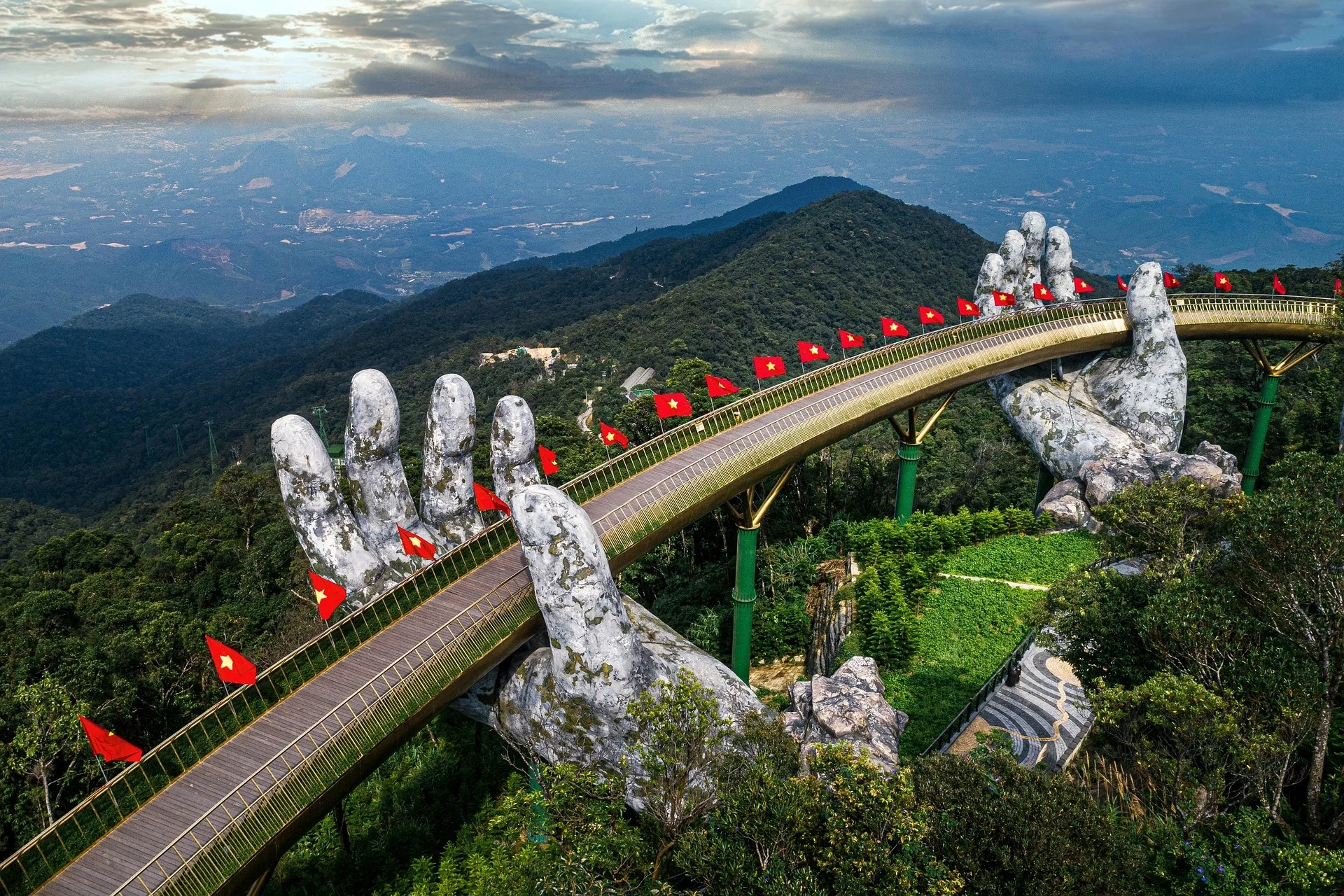
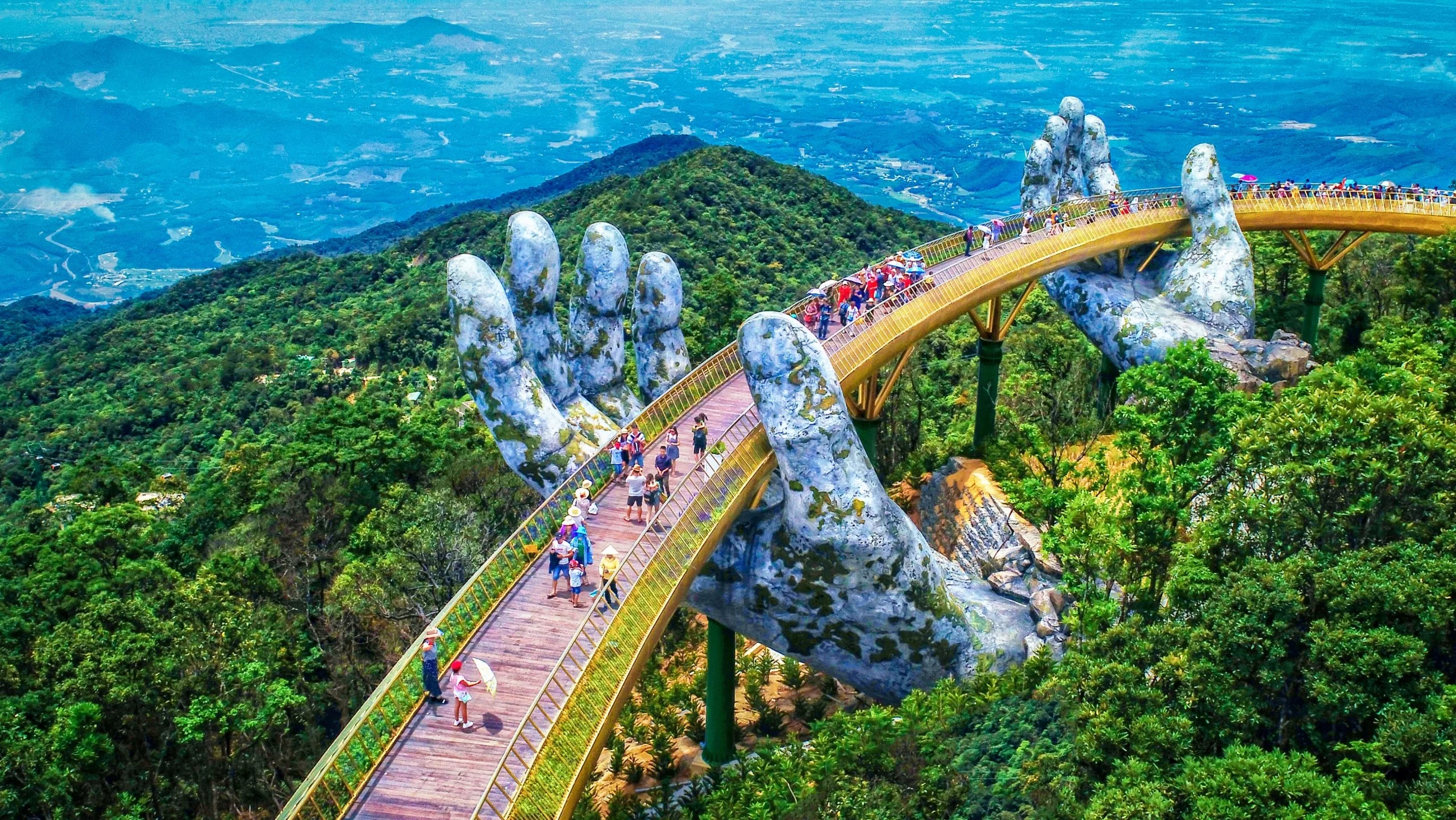
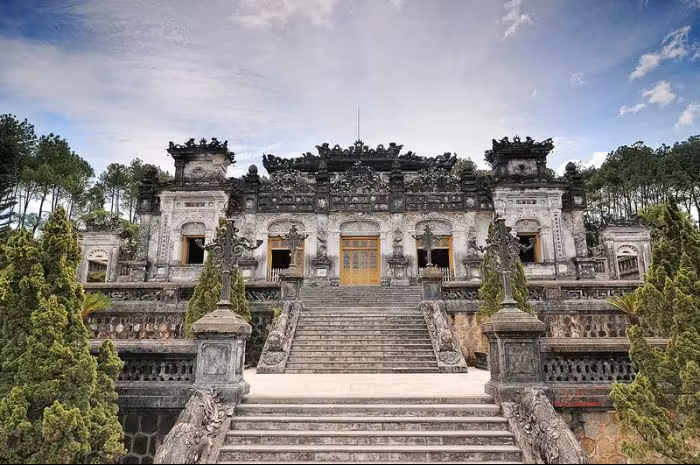
Central Vietnam is the country's heritage heart. Hue offers the solemn grandeur of the Imperial Citadel. Hoi An captivates with its yellow-walled merchant houses and lantern-lit nights, while Da Nang provides a modern beach city experience with its famous Dragon Bridge. For nature lovers, Quang Binh houses the world's largest caves, including Son Doong.

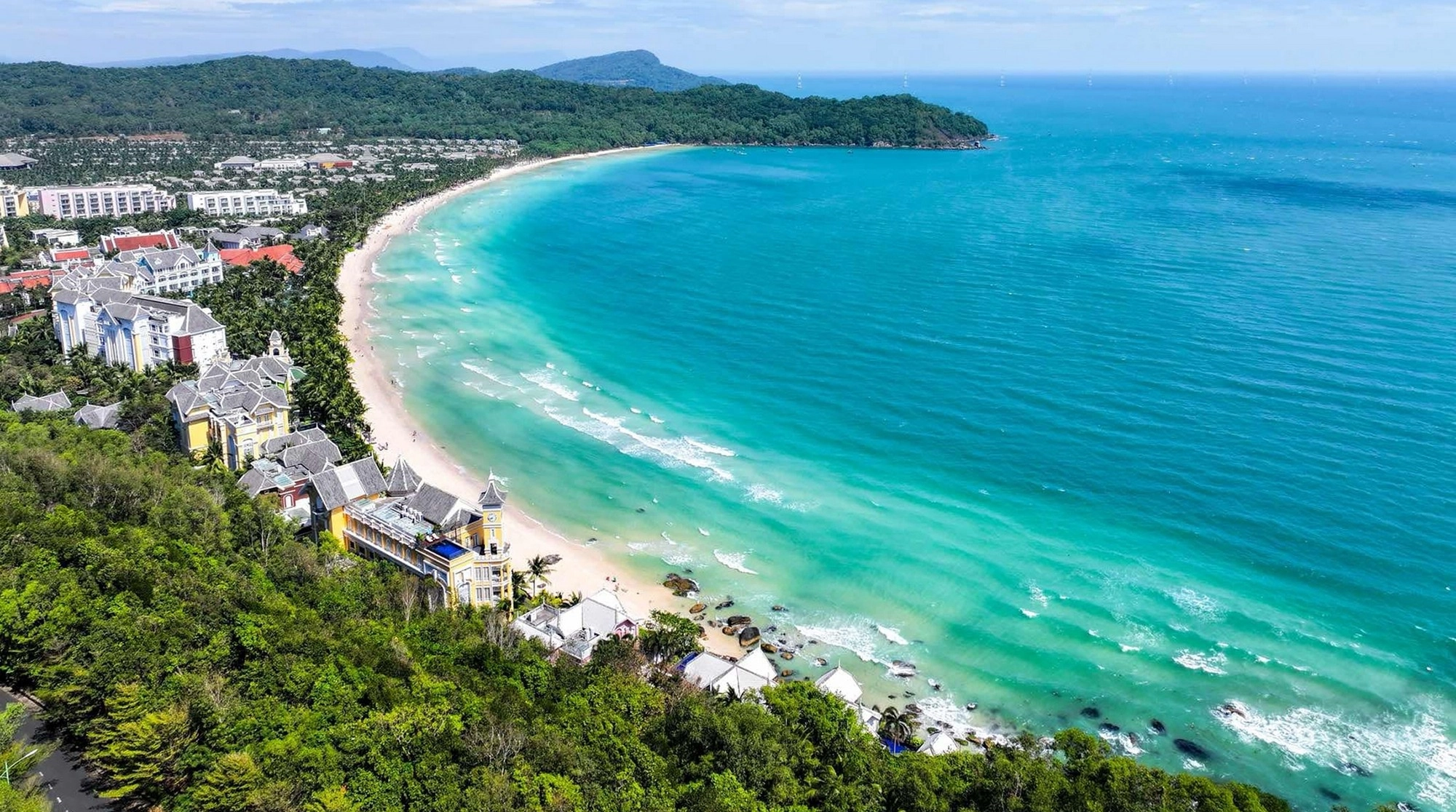
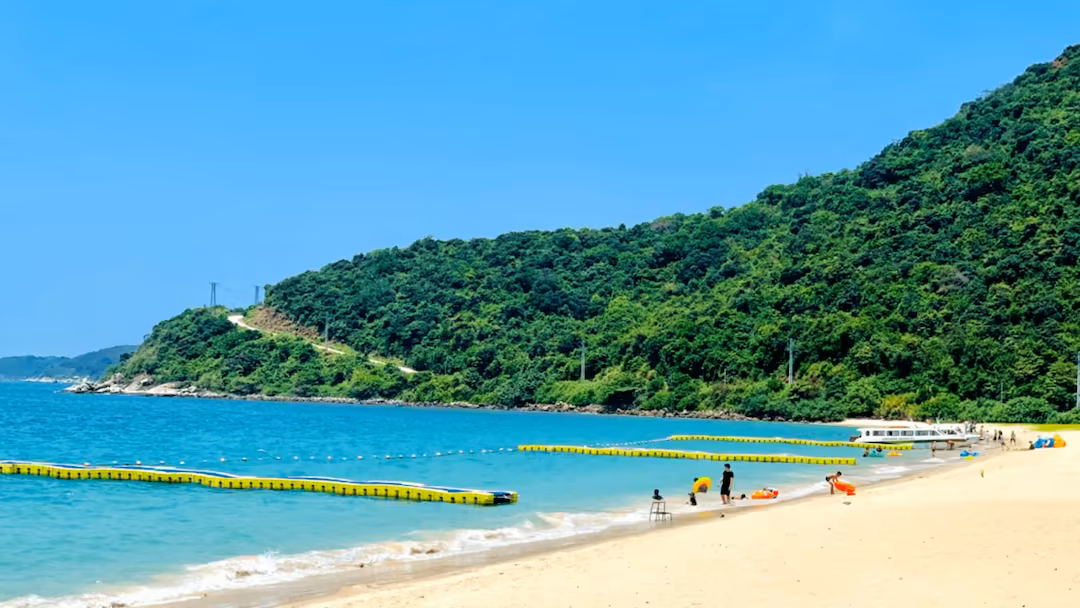
The South is the engine of the economy. Ho Chi Minh City (Saigon) is a whirlwind of motorbikes, skyscrapers, and French colonial history, offering the best nightlife and dining scenes. The Mekong Delta offers a slower pace of life on the water, with floating markets and lush fruit orchards. For relaxation, the island of Phu Quoc boasts white sands and some of the best sunsets in Asia.

The Vietnamese people are resilient, proud, and incredibly hospitable. The "chaos" of the traffic and the markets is organized and vibrant, and once you learn the rhythm, you become part of the flow. The cuisine is world-renowned not just for Pho and Banh Mi, but for its incredibly fresh herbs, regional variations, and street food culture that is arguably the best on the planet.

Sabai Travel has curated the essential Vietnamese experience, navigating the complex logistics of this long country to ensure seamless transfers between the mountains, the cities, and the sea. Whether you are seeking a motorbike adventure on the Ha Giang Loop or a luxury cruise in Lan Ha Bay, we handle the details.

Vietnam is not just a vacation; it is an immersion into a culture that is rapidly moving forward while fiercely holding onto its past.

It depends on your nationality and length of stay.

  • Visa Exemption (45 Days): Citizens of the UK, Germany, France, Italy, Spain, Russia, Japan, South Korea, and Scandinavian countries can enter for 45 days without a visa.
  • E-Visa (90 Days): Citizens of all countries can apply for an E-visa online. It costs ~$25 USD, takes 3-5 working days to process, and grants up to 90 days of stay (single or multiple entry).
  • ASEAN Nationals: Typically receive 30 days visa-free.

Important: Always print your E-visa approval letter; digital copies on phones are sometimes not accepted at remote borders.

Because of the length of the country, there is no single "perfect" time, but there are strategic windows:

  • Spring (Feb–April): The best balance. The North is warming up, the Central coast is dry and sunny, and the South is dry.
  • Autumn (Oct–Dec): The North is stunning (harvest season in Sapa), the South is ending its rainy season, but the Central region (Hoi An/Hue) is prone to floods and storms.
  • Summer (May–Aug): Great for beaches in Central Vietnam (Da Nang/Nha Trang/Quy Nhon), but very hot and rainy in Hanoi and Saigon.

The currency is the Vietnamese Dong (VND).

  • Exchange: Bring clean, crisp USD/EUR notes. Worn or torn bills are often rejected. Jewelry shops (like those near Ben Thanh Market in Saigon or Ha Trung street in Hanoi) offer the best rates.
  • ATMs: Available everywhere. Withdrawal limits are often low (2-5 million VND), and fees apply. TPBank and VPBank ATMs often have higher limits.
  • Payments: Credit cards are accepted in malls and hotels (often with a 3% surcharge), but cash is required for the real Vietnam: street food, markets, and local transport.

Vietnam is very safe regarding violent crime. The biggest dangers are:

  • Traffic: Crossing the street is an art form. Walk slowly and predictably; do not run or step backward. Motorbikes will flow around you.
  • Phone Snatching: In big cities (especially Ho Chi Minh City), do not use your phone near the edge of the road. Drive-by snatchings happen.
  • Scams: Be wary of unmetered taxis. Always use the Grab or Be app to lock in prices.

No. Never drink tap water. It contains heavy metals and bacteria.

  • Bottled water is cheap and available everywhere (Circle K, 7-Eleven, WinMart).
  • Many hotels have refill stations to reduce plastic waste.
  • Brushing teeth with tap water is generally acceptable for most travelers, but those with sensitive stomachs should use bottled water.
  1. Excellent. Wi-Fi is available in almost every cafe, from high-end spots to plastic-stool street stalls.
    • SIM Cards: Viettel is the best provider, especially if you plan to go to the mountains or remote areas. Vinaphone is a strong second choice.
    • Buying: Buy at the airport or official stores. Avoid roadside stalls as those SIMs may be deactivated unexpectedly. Data is very cheap (~$10 for a month of high-speed data).

Vietnam divides easily by interest:

  • For Mountains & Rice Terraces: Sapa (accessible, touristy) or Ha Giang (raw, adventurous motorbike loop).
  • For Caves & Nature: Phong Nha-Ke Bang (home to the world's largest caves).
  • For History & Culture: Hue (Imperial City) and Hoi An (Ancient Town).
  • For Beaches: Phu Quoc (resorts/sunsets), Nha Trang (city beach/party), Quy Nhon (quiet/local), or Con Dao (pristine/historic).
  • For City Vibes: Hanoi (artistic, political, traditional) vs. Ho Chi Minh City (commercial, fast-paced, modern).